Space and Energy—A Virtual Field Trip
In conversation with:
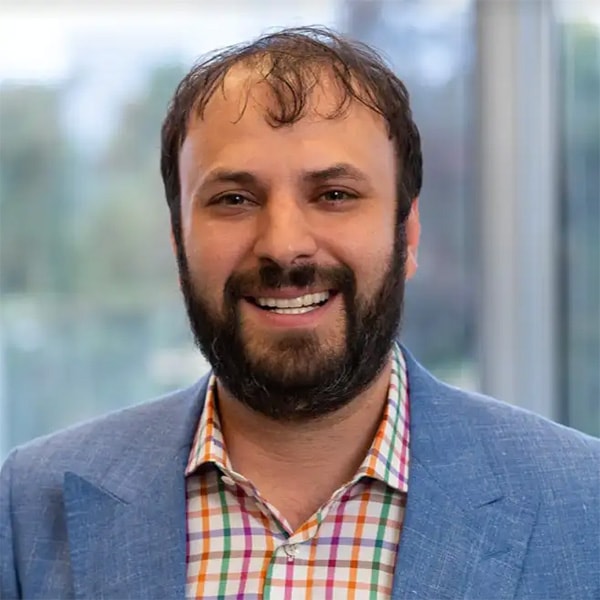
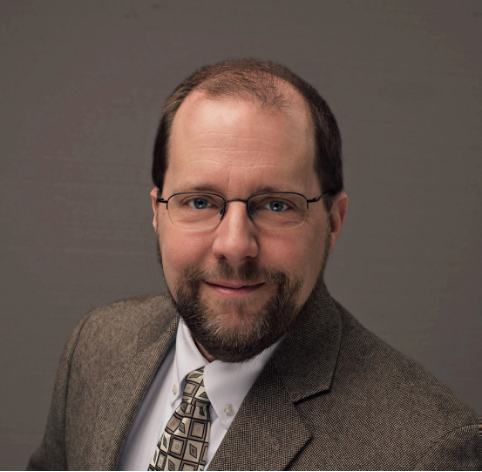
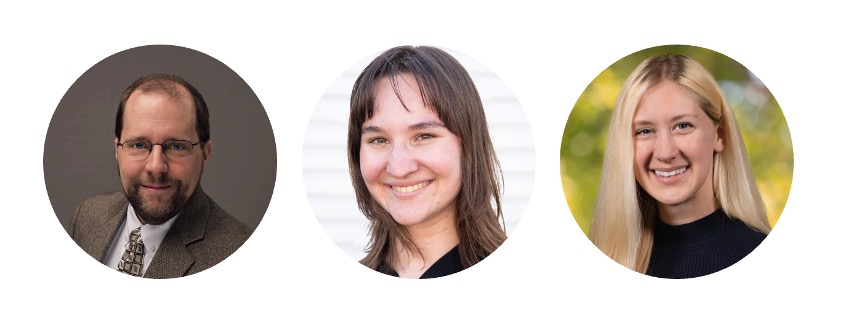
Edward Tate, CTO and Cofounder, Virtus Solis
Power Beaming Development at Virtus Solis
Virtus Solis is working under an APRA-E award to demonstrate 70% efficient end-to-end, long distance wireless power transfer for terrestrial and space based applications. This system involves custom electronics, custom integrated circuits, and large structures. This session provides a behind the scenes view of how Virtus is making this a reality. While Virtus relies heavily on simulation for system and electronic design, wireless power is challenging due to sensitivity to materials and dimensional tolerances. Virtus solved this, in part, by manufacturing antennas in-house for rapid iteration. Other challenges include visualizing invisible power beams, and testing huge arrays of components. This session shares a view of the approach to some of these problems.
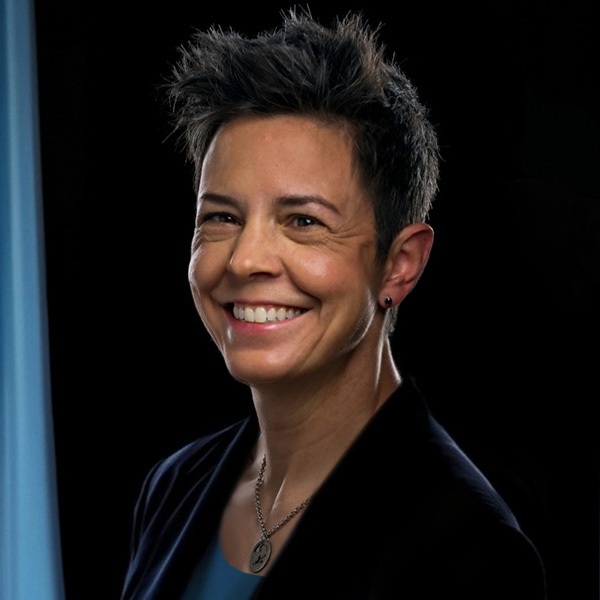
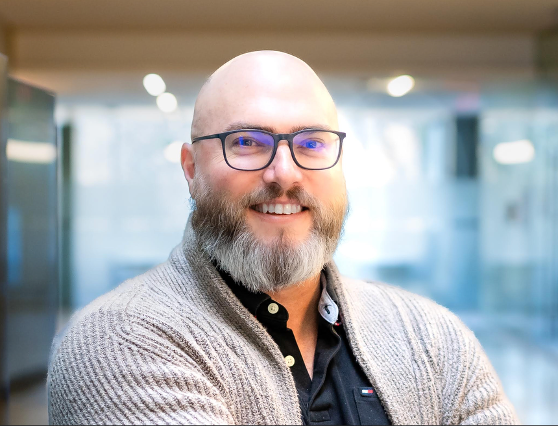
Anna Shaposhnik, CEO and Cofounder, ORBES,
Space Drones to Film & Maintain Space Infrastructure
Billion-dollar space infrastructure is being built without a way to maintain it long-term: Commercial space stations to replace the ISS, national security satellites, and orbital data centers (the largest IPO in history from SpaceX!) are creating a future where persistent operations in space will be essential.
This session will explore the history of space infrastructure maintenance, from the Shuttle and ISS era to today’s emerging commercial ecosystem, and present a new approach built around small, proliferated robotic drones. ORBES’s two flagship products, ORB, a free-flying robotic assistant for space stations and exoORB, a small escort satellite platform for external inspection are designed to make space infrastructure safer, more autonomous, and continuously operable.
ORBES will also offer a glimpse inside its lab, including its air-bearing testbed for simulating zero-gravity dynamics on Earth, and hint at their next generation tools to enable passive, affordable, high-fidelity orbital robotics testing.
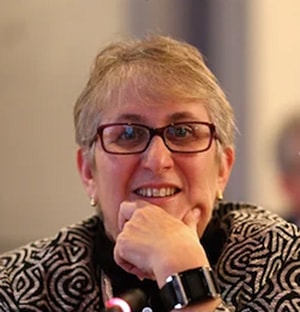
Mariah Hake, Chief Engineer, Orbit Fab
Satellite Refueling Technology to Enable Satellite Maneuverability, Mission Success, and Sustainability
This session will address the fundamental limitations imposed by finite fuel on today’s satellites and how in-space refueling is set to transform the way spacecraft are designed, operated, and sustained. It will examine the growing need for a logistics-based approach to space operations in order to protect assets and optimize missions in an increasingly dynamic domain.
The session introduces a suite of enabling technologies, including the RAFTI valve that allows client spacecraft to receive fuel, the GRIP system that performs docking and establishes a fluid connection, and a payload designed to execute on-orbit fuel transfer between spacecraft. Together, these systems demonstrate the technical feasibility and practicality of an operational refueling architecture.










![Nemertes[Next]Arrow](https://nemertes.com/wp-content/uploads/NemertesNextArrow-120x120.png "Nemertes[Next]Arrow")